

Coffee roast levels explained: tasting notes and brewing tips
Most people walk into a coffee aisle, grab whatever bag looks good, and assume the beans do all the talking. Here’s the thing: the roast level is actually doing most of the work. The same green coffee bean can taste like blueberries and jasmine or like dark chocolate and smoke, depending entirely on how long and how hot it gets roasted. Understanding roast levels doesn’t just make you sound knowledgeable at brunch. It genuinely changes how you shop, brew, and enjoy every single cup.
Table of Contents
- What are coffee roast levels?
- Taste profiles: how roast level affects your cup
- How to brew for every roast: making the most of your beans
- Pairing perfection: foods and roast level combinations
- A coffee lover’s truth: why your favorite roast is about discovery, not rules
- Explore new roasts and gear with D&K Bean and Leaf
- Frequently asked questions
Key Takeaways
| Point | Details |
|---|---|
| Roast shapes flavor | Light, medium, and dark roasts each offer distinct taste and aroma experiences. |
| Brewing method matters | Match your brewing style to the roast for the richest cup possible. |
| Cold brew prefers dark | Medium to dark roasts extract better in cold brew for bold, sweet flavors. |
| Food pairings enhance | Pairing the right food with your coffee roast brings out the best notes. |
| Experiment to find your favorite | The best roast is the one that satisfies your taste buds, so sample them all. |
What are coffee roast levels?
Roast level is the result of applying heat to raw green coffee beans until they reach a specific internal temperature. As beans heat up, they lose moisture, expand, and go through chemical changes that create the flavors we associate with coffee. The longer and hotter the roast, the more those original fruit and floral notes from the bean’s origin get replaced by roasted, caramelized, and smoky flavors.
Roasters typically classify beans into three main categories: light roast, medium roast, and dark roast. Some roasters get more specific with terms like City Roast or Full City for medium, and French or Italian for dark. But for most coffee drinkers, the three-tier system is the most practical way to think about it.
Here’s a quick breakdown of what separates each level:
| Roast level | Bean color | Flavor notes | Acidity | Body |
|---|---|---|---|---|
| Light | Tan to light brown | Fruity, floral, bright | High | Light |
| Medium | Medium brown | Nutty, caramel, balanced | Medium | Medium |
| Dark | Dark brown to nearly black | Smoky, bitter, bold | Low | Full |
A few things worth knowing before you move on:
- Light roasts are roasted to around 356 to 401°F, just after the “first crack” when beans expand and pop
- Medium roasts reach between 410 and 428°F, developing more balanced sweetness
- Dark roasts push past 430°F and sometimes into the second crack, where oils appear on the surface of the bean
- The oils you see on dark roast beans are not a sign of freshness. They’re actually a sign of longer roasting and oxidation
The roast level you choose sets the stage for everything that follows: flavor, brewing method, and even how you pair your coffee with food.
Taste profiles: how roast level affects your cup
Once you understand the basics, the real fun begins. Each roast level delivers a genuinely different sensory experience, and knowing what to expect helps you stop settling for “fine” and start reaching for “exactly right.”
Light roast coffees are the most complex in terms of origin flavor. Because the roasting process is shorter, the bean’s natural characteristics come through clearly. You might taste stone fruit like peach or apricot, bright citrus, or even floral notes like jasmine or rose. The acidity is sharp and lively, similar to a good cup of tea. The body (how thick or heavy the coffee feels in your mouth) is thin and clean. Light roasts are the coffee equivalent of a crisp white wine.
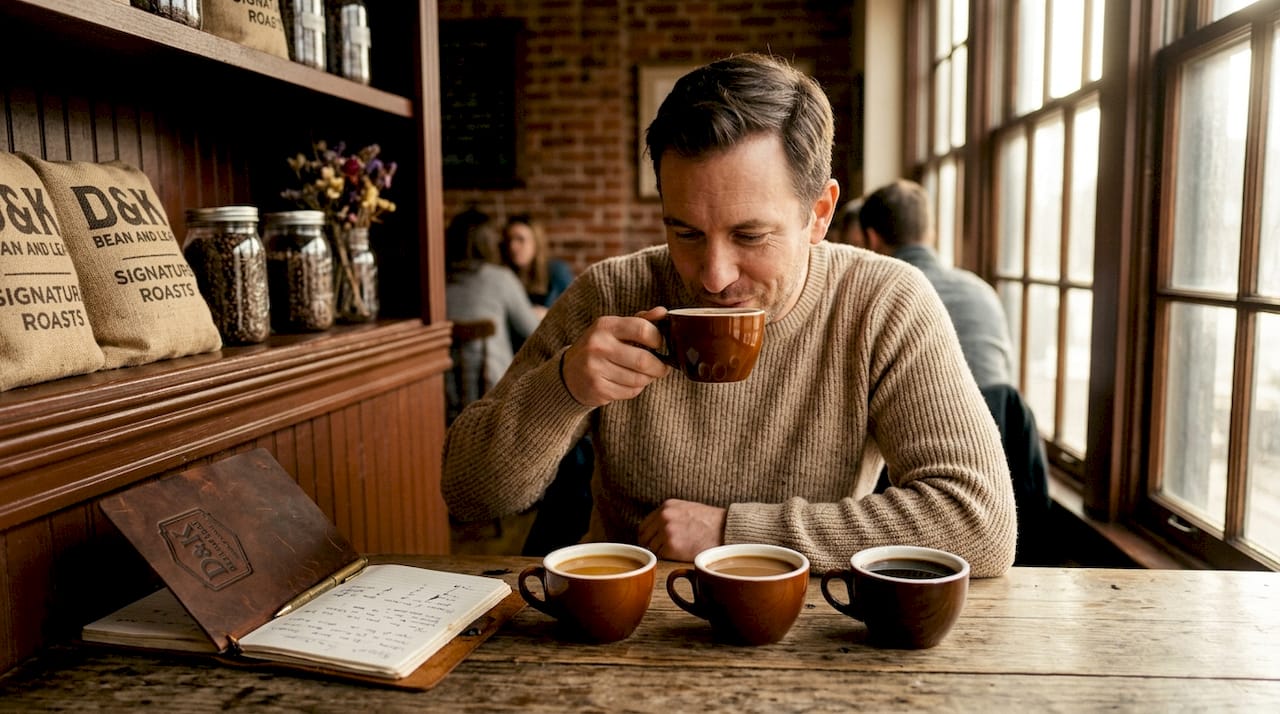
Medium roast is where most people land when they say they love coffee. The acidity softens, the body fills out, and flavors shift toward caramel, nuts, chocolate, and mild fruit. It’s a crowd-pleasing middle ground that works beautifully for drip machines, pour-overs, and even cold brew. If you’ve ever had a cup that felt “just right” without being able to explain why, it was probably a medium roast.
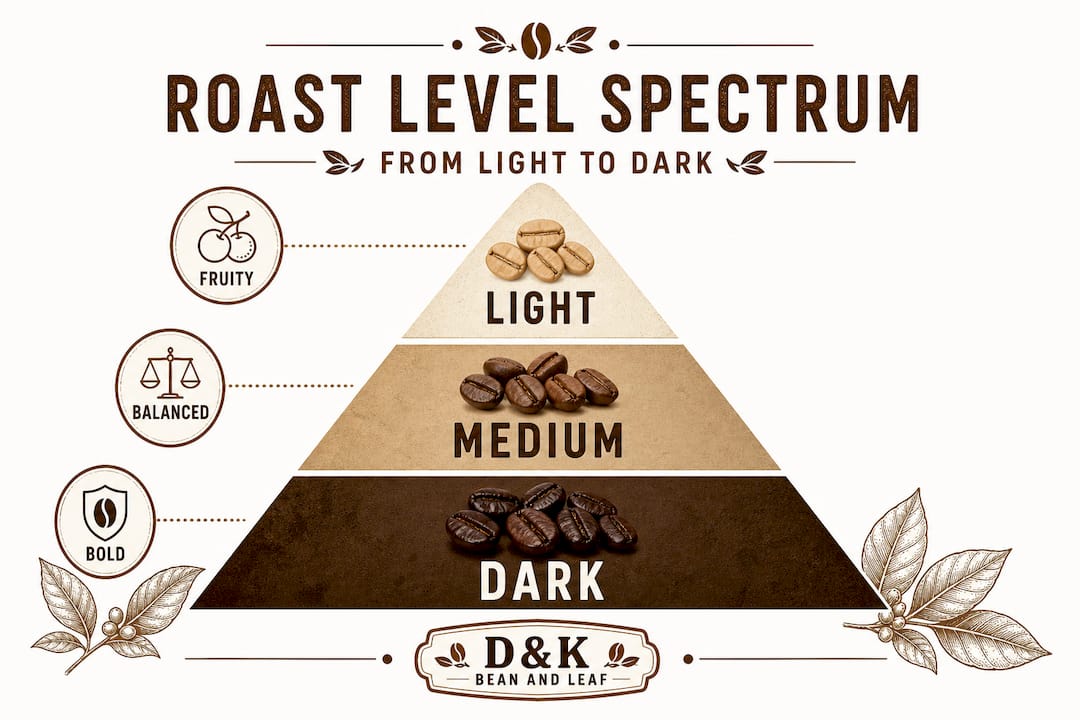
Dark roast is bold and unapologetic. The roasting process burns off most of the origin flavor, replacing it with smoky, bitter, and sometimes chocolatey notes. The body is heavy and full, and the acidity is very low. Some people find dark roasts harsh. Others find them deeply satisfying, especially with milk or cream. If you’re curious about the boldest end of the spectrum, the French roast characteristics are a great place to start exploring.
Here’s a practical way to match roast to your taste preference:
- If you enjoy tea, sparkling water, or bright citrus flavors, start with light roast
- If you like caramel lattes, milk chocolate, or balanced flavors, go with medium roast
- If you prefer espresso, dark chocolate, or bold flavors, dark roast is your zone
- If you’re not sure, medium roast is almost always a safe, satisfying starting point
- If you want to try something completely different, flavored coffee options let you layer roast characteristics with added flavor notes
Pro Tip: Try the same brewing method with two different roast levels back to back. Brew a light and a dark roast using the same pour-over setup and the same water temperature. The contrast will be eye-opening and will help you pinpoint exactly what you love.
The interaction between roast level and brewing method is where things get really interesting, and that’s exactly where we’re headed next.
How to brew for every roast: making the most of your beans
Knowing your preferred roast level is only half the equation. The brewing method you choose either highlights or hides what makes each roast special. Getting this pairing right is the difference between a good cup and a great one.
Pour-over is the ideal method for light roasts. The slow, controlled pour lets water extract the delicate fruity and floral compounds that make light roasts so interesting. Use water around 200°F (just off the boil) and a medium-fine grind. Going too coarse will under-extract and leave you with a sour, thin cup.
Espresso works best with medium to dark roasts. The high pressure and short extraction time need a coffee with enough body and low enough acidity to produce a balanced, syrupy shot. Light roasts in espresso can taste sour and sharp because the acidity amplifies under pressure.
Cold brew is where medium and dark roasts truly shine. As cold brew guides commonly recommend, medium to dark roasts produce bolder, richer flavor extraction in cold brew, with a natural sweetness that lighter roasts can’t match. The long steep time (usually 12 to 24 hours) pulls out deep chocolate and caramel notes beautifully. For tips on getting your cold brew right, check out cold brew coffee tips before your next batch.
“The roast level you choose for cold brew matters more than most people realize. Medium to dark roasts create a naturally sweeter, smoother concentrate that needs little or no sweetener.”
Here are some practical brewing guidelines by roast level:
- Light roast: Use water between 195 and 205°F, medium-fine grind, pour-over or Chemex for best results
- Medium roast: Versatile across most methods; use water around 195 to 200°F, medium grind works well in drip machines and French press
- Dark roast: Lower water temp (around 185 to 195°F) prevents over-extraction and bitterness; coarser grind for French press, fine grind for espresso
- Cold brew with dark roast: Coarse grind, cold or room-temperature water, steep 12 to 24 hours; try bolder coffee blends for a richer concentrate
Pro Tip: Dark roasts are more soluble than light roasts, which means they extract faster. If your dark roast tastes bitter, try a slightly coarser grind or drop your water temperature by 5 to 10 degrees before adjusting anything else.
Getting your brew method aligned with your roast level is a game-changer. But there’s one more layer of enjoyment that most people never explore: food pairing.
Pairing perfection: foods and roast level combinations
Coffee and food pairing sounds fancy, but it’s actually pretty simple. The idea is to match or complement the flavor profile of your roast with what you’re eating. When it works, both the food and the coffee taste better.
Light roast pairings work best with foods that don’t overpower the coffee’s delicate notes. Think:
- Buttery croissants or plain scones that let the fruity brightness shine
- Fresh fruit salads that echo the citrus or berry notes in the coffee
- Mild yogurt with honey, which complements the floral quality of many light roasts
- Lemon or blueberry muffins that play off the natural acidity
Medium roast pairings are the most flexible because the flavor profile is balanced. Great options include:
- Almond or hazelnut biscotti, which echo the nutty notes in the roast
- Mild cheeses like brie or gouda that complement the caramel sweetness
- Banana bread or oat-based granola bars for a warm, comforting match
- For a really satisfying combination, explore medium roast pairing ideas that take the experience further
Dark roast pairings need bold flavors to stand up to the intensity. The best matches are:
- Dark chocolate (70% cacao or higher) that mirrors the roast’s bitterness and depth
- Hearty baked goods like banana walnut bread or pecan brownies
- Savory options like aged cheddar or smoked meats that complement the smokiness
- For a rich, grounding combination, dark roast pairings offer some creative and satisfying options
The general rule is simple: light foods with light roasts, bold foods with dark roasts, and almost anything with medium roasts. But the most important rule is to experiment and trust your own palate.
A coffee lover’s truth: why your favorite roast is about discovery, not rules
Here’s an opinion that might ruffle a few feathers in the specialty coffee world: the rules around roast levels are often more about gatekeeping than genuinely helping people enjoy coffee.
Spend enough time in coffee communities and you’ll hear things like “real coffee lovers only drink light roast” or “dark roast is just burnt beans.” These takes are not only wrong, they actively discourage people from exploring what they actually enjoy. The truth is that preference is personal, and no roast level is objectively superior.
We’ve seen this play out constantly. Someone who loves a bold, smoky dark roast gets told they’re “ruining” their coffee by not appreciating the nuanced origin flavors of a light roast. Meanwhile, someone who enjoys a bright, acidic Ethiopian light roast gets dismissed as a coffee snob. Both people are just enjoying coffee in the way that makes sense to them.
The other thing most guides won’t tell you is that your preference changes. The person who hated light roast last year might fall in love with a well-brewed pour-over this year. Taste evolves with exposure, and the only way to evolve yours is to stay curious and keep trying new things. Don’t let a single bad experience with a roast level close the door permanently.
What we’d encourage instead is to treat roast levels like a spectrum to explore rather than a category to commit to. Try a light roast with a new brewing method. Experiment with a medium roast in your cold brew instead of your usual dark. Order a dark roast espresso even if you normally drink pour-over. The discoveries you make through genuine curiosity will teach you more about your own taste than any guide ever could, including this one.
The best cup of coffee is always the one you actually enjoy drinking.
Explore new roasts and gear with D&K Bean and Leaf
Now that you know what separates a light roast from a dark one and how to brew and pair each for the best experience, it’s time to put that knowledge to work.
At D&K Bean and Leaf, we’ve curated coffees that make exploring roast levels genuinely exciting. Whether you’re ready to try medium roast for the first time or want to go deeper with a rich, bold dark roast, there’s something here for every palate. And while you’re at it, treat yourself to a quality vessel for your new favorite cup. Our enamel mug is built for the kind of coffee drinker who takes their brew seriously but still wants to enjoy it without fuss. Great coffee deserves great gear, and we’ve got both waiting for you.
Frequently asked questions
Does coffee roast level affect caffeine content?
Yes, lighter roasts tend to contain slightly more caffeine than darker roasts by volume, though the difference is minor and often evens out depending on how you measure your grounds.
What roast level works best for cold brew?
Medium to dark roasts are best for cold brew because, as cold brew guides recommend, they produce a richer, bolder flavor with natural sweetness during the long cold steep.
How can I identify a roast level if it’s not labeled?
You can judge by bean color and aroma: lighter roasts are tan and smell fruity or floral, while dark roasts are nearly black, often have an oily surface, and smell smoky or like dark chocolate.
Is one roast level healthier than another?
The health differences between roast levels are minimal, so the best choice is always the one that tastes best to you and keeps you coming back to your morning cup.