

Skip the Hype: Make and Buy Seasonal Coffee Flavors 2026
Pumpkin spice still leads fall menus in 2026, but it’s sharing space with caramel-apple blends, candy-brand collaborations like the Reese’s Pumpkins PB Whip Latte, and a wave of Asian-inspired summer flavors like hojicha and ube. Winter brings gingerbread and peppermint back into rotation, while spring leans on citrus and floral syrups. This guide covers recipes, buying advice, and how to track limited releases before they sell out.
TL;DR:
- Limited-time collaborations, like Reese’s and Flavor52, accelerate flavor turnover by testing dozens of options quickly, favoring novelty over long-term staples.
- Summer flavors prominently feature Asian-inspired profiles such as hojicha, ube, and black sesame, reflecting cultural shifts in mainstream coffee menus.
- Proper pairing of roast level with flavor type is essential, with light roasts supporting citrus and floral syrups, and medium or dark roasts backing spice and dessert flavors.
- Sign up early for brand emails and follow social channels in late August and mid-November to secure limited seasonal releases before they sell out.
- DIY seasonal drinks benefit from simple syrup recipes, batch preparation, and adding more spice than usual to cold drinks, ensuring flavor potency.
Table of Contents
- What Are the Top Seasonal Coffee Flavors for 2026?
- What’s Driving 2026’s Seasonal Coffee Flavor Trends?
- How to Recreate Seasonal Flavors at Home
- How Do You Choose Beans or Blends for Seasonal Flavors?
- When Do Seasonal Coffee Drops Happen and How Do You Find Them?
- Who’s Behind These Seasonal Flavor Recommendations?
- Where Did Seasonal Coffee Flavors Come From?
- Nutritional Considerations and Allergens in Seasonal Coffee Drinks
- What Seasonal Coffee Flavors Are Popular Outside Western Markets?
- How Is Flavor Technology Changing Seasonal Coffee?
- The Editorial Take: What Actually Matters in 2026’s Flavor Race
- Try 2026’s Seasonal Flavors Without Committing to a Full Bag
- Sources
- FAQ
What Are the Top Seasonal Coffee Flavors for 2026?
Each season carries its own flavor identity, and 2026 is shaping up to be one of the more adventurous years in recent memory. Spring drinks lean bright: citrus-forward lattes built on blood orange or grapefruit syrup, berry infusions steeped into cold brew, and floral notes like lavender or elderflower layered over light roasts or green tea bases. These pairings work because acidity in light roasts cuts through sweet syrups instead of clashing with them.
Summer belongs to the Asian-inspired flavor set. Industry coverage of summer 2026 coffee trends points to hojicha, ube, black sesame, and pandan showing up in cold foam and shaken espresso drinks nationwide. These flavors carry natural nuttiness and toasted depth, so they hold up well against ice without turning watery or one-note.
Fall is still pumpkin’s season, but the category has widened. Expect:
- Pumpkin variants beyond basic spice, including pumpkin-cheesecake and pumpkin-cold-foam builds
- Caramel-apple blends pairing brown sugar with tart apple notes
- Peanut-butter chocolate collaborations, following the model Reese’s set with its Nitro Bar partnership
- Brown-butter and maple syrups for a less-sweet, more toasted alternative to standard pumpkin spice
Winter closes the year with gingerbread and peppermint frameworks, plus eggnog and holiday-spice blends built on nutmeg, clove, and cinnamon. A gingerbread latte garnished with crushed graham crumbs or a peppermint mocha topped with crushed candy cane both translate easily from café to kitchen counter.
What’s Driving 2026’s Seasonal Coffee Flavor Trends?
Three forces are shaping this year’s flavor calendar. Licensed collaborations are the biggest one. Reese’s teaming up with The Nitro Bar for a limited-time PB Whip Latte shows how candy and CPG brands bring built-in name recognition and social buzz into coffee menus, pulling in customers who don’t normally order coffee at all.
Java Factory’s Flavor52 program introduced many new coffee flavors across weekly releases in 2026 — a high-frequency testing model that lets brands find viral flavors fast instead of betting on one seasonal launch. The program even let customers vote on leaderboards to decide which flavors earn permanent menu spots. The National Coffee Association’s market research tracks these seasonal buying patterns across the broader industry, confirming that flavor turnover is accelerating rather than settling into a fixed rotation.
Cold coffee’s dominance is the third driver. Dessert-style, milk-forward drinks give flavor developers more room to experiment, and alternative milks (oat, coconut, macadamia) change how syrups taste and behave in a shaken or blended format.
How to Recreate Seasonal Flavors at Home
You don’t need a barista certification to pull off café-style seasonal drinks. Start with a base syrup, then build from there.
- Pumpkin spice syrup: Combine 1 cup water, 1 cup sugar, 2 tablespoons pumpkin purée, and 1 teaspoon each cinnamon, ginger, and clove. Simmer 10 minutes, strain, and cool.
- Gingerbread syrup: Use a 1:1 sugar-to-water ratio, swap in brown sugar or molasses for depth, and simmer with cinnamon, ginger, clove, and nutmeg for 10 to 20 minutes before straining.
- Caramel-apple drizzle: Melt caramel sauce with a splash of apple juice concentrate and a pinch of cinnamon.
- Peanut-butter mocha: Whisk powdered peanut butter into your chocolate syrup or cocoa base before adding espresso.
For cold drinks, a 1:8 syrup-to-drink ratio is a solid starting point before you adjust to taste, especially for cold foam and shaken espresso builds. Batch your syrups in mason jars and refrigerate for up to two weeks; premade syrups work fine as a shortcut when you’re short on time.
Pro Tip: Spice-forward syrups like gingerbread lose potency fast in cold drinks. Add slightly more syrup than you think you need, then cut sweetness with a splash of unsweetened milk instead of watering it down with ice.
How Do You Choose Beans or Blends for Seasonal Flavors?
Roast level changes how a flavored drink tastes, and matching them well saves you from a syrup that tastes muddy or a bean that gets lost under spice.
- Light roasts pair best with citrus and floral syrups, since their natural acidity complements rather than competes with brightness.
- Medium roasts carry chocolate and caramel notes that support gingerbread, caramel-apple, and peanut-butter builds.
- Dark roasts stand up to heavy holiday spice blends like eggnog or clove-forward mixes without disappearing.
Pre-flavored coffees offer convenience since the flavor is baked into the bean, but they lose potency faster than fresh syrup added at the last minute. If you want more control, start with an unflavored bean and read up on the difference between flavored beans, syrups, and extracts before you commit to a bag. Buying whole bean and checking the roast date matters more for seasonal drinks than people expect. Stale beans flatten the spice notes you’re trying to highlight.
When Do Seasonal Coffee Drops Happen and How Do You Find Them?
Fall lineups typically launch in late August through September. 7-Eleven announced its nationwide pumpkin-inspired coffee lineup in late August 2026, and chains like McDonald’s have followed with their own fall coffee drink launches around the same window. Holiday specials generally follow in November and December.
To catch limited releases before they disappear:
- Sign up for brand email lists and loyalty apps, which usually get early access windows
- Follow social media accounts for surprise drop announcements
- Check community marketplaces and local pop-ups for small-batch collaborations
- Set calendar reminders for late August and mid-November, the two biggest launch windows
Always verify you’re on an official brand page before entering payment information for a preorder. Seasonal hype creates fertile ground for copycat sites, especially around high-demand collaborations.
Who’s Behind These Seasonal Flavor Recommendations?
These flavor breakdowns and recipes come from Kristopher, whose ongoing coverage of seasonal launches includes the Late August pumpkin spice coffee rollout and a 2026 flavor guide to espresso drink formats. That reporting, paired with D&K Bean and Leaf’s roasting experience, grounds the recipe ratios and buying advice above in what actually works at home.
Where Did Seasonal Coffee Flavors Come From?
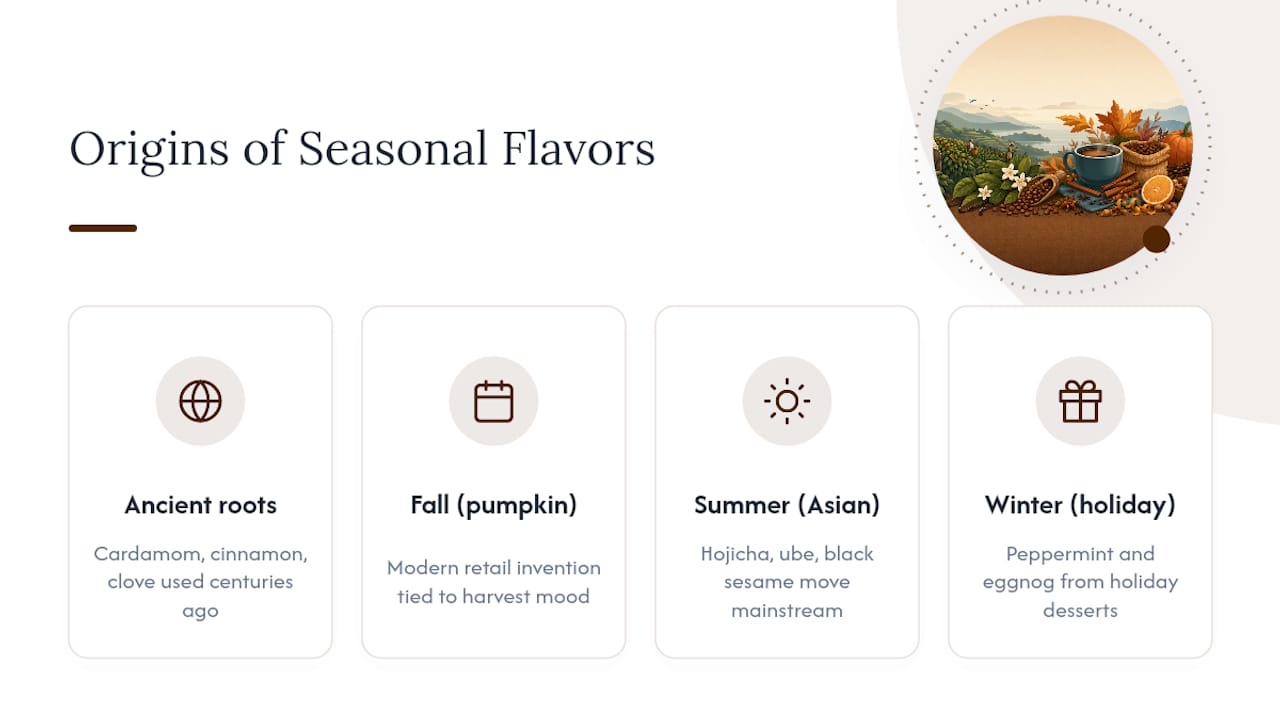
Seasonal coffee flavoring isn’t a recent marketing invention. Spiced coffee traditions go back centuries in Middle Eastern and North African cultures, where cardamom, cinnamon, and clove were standard additions long before flavored syrups existed in American cafés. Gingerbread and holiday spice blends in Western coffee culture trace back to European baking traditions, where the same spice combinations flavored cookies and cakes before they ever touched a coffee cup.
The pumpkin spice phenomenon as most people know it is a modern retail invention, built around fall’s cultural association with harvest and back-to-school routines. It caught on because it tapped into an existing seasonal mood rather than creating one from scratch. That’s part of why the flavor keeps evolving instead of disappearing. Brands keep finding new angles (cheesecake, cold foam, brown butter) because the underlying seasonal association is durable.
Summer’s shift toward hojicha, ube, and black sesame reflects something different: a broader cultural shift where Asian dessert flavors have moved from specialty shops into mainstream coffee menus. That’s less about nostalgia and more about coffee culture absorbing flavor profiles from adjacent food trends, a pattern also showing up across broader gastronomy trend coverage for 2026. Winter’s peppermint and eggnog traditions, meanwhile, connect directly to holiday dessert and drink customs that predate coffee shops by generations. Each seasonal flavor carries a cultural backstory that explains why it resonates instead of just tasting good.
Nutritional Considerations and Allergens in Seasonal Coffee Drinks
Seasonal drinks often carry more calories and sugar than a plain cup of coffee, mostly from syrup and milk choices rather than the coffee itself. A pumpkin spice latte or peppermint mocha made with whole milk and standard syrup can easily double or triple the calorie count of black coffee, largely from added sugar.
Allergen awareness matters more with seasonal flavors than year-round menus, since specialty syrups sometimes include ingredients that aren’t obvious from the name. A few things worth checking:
- Dairy: Standard syrups are usually dairy-free, but cold foam and whipped toppings almost always contain milk.
- Nuts: Peanut-butter collaborations and some caramel or praline syrups may contain peanut or tree nut traces, even in shared prep spaces.
- Gluten: Most syrups are gluten-free, but crushed cookie or graham garnishes on gingerbread drinks typically are not.
- Soy: Some alternative milk and non-dairy creamer bases contain soy, which matters if you’re substituting for a dairy allergy.
If you’re making seasonal drinks at home, you control every ingredient, which is one advantage over ordering out when you’re managing a specific allergy or sensitivity. Reading labels on premade syrups and flavor bases is still worth doing, since “natural flavor” on an ingredient list doesn’t always specify its source.
What Seasonal Coffee Flavors Are Popular Outside Western Markets?
Seasonal coffee flavoring looks different once you step outside the pumpkin-and-peppermint framework that dominates American and European menus. In parts of Southeast Asia, pandan and coconut appear as seasonal specialties, often paired with condensed milk in a Vietnamese-style iced coffee format. Japan’s hojicha trend, now showing up in American summer menus, has roots in a coffee shop culture that’s long embraced roasted green tea flavors alongside espresso.
In the Philippines, ube isn’t a novelty flavor. It’s an everyday dessert ingredient that’s found its way into coffee drinks as a natural extension of existing food culture, which explains why the flavor translates so smoothly into lattes and cold foams. Middle Eastern coffee traditions continue to favor cardamom and rosewater as seasonal or celebratory flavor additions, particularly around holidays and family gatherings, a pattern that predates the syrup-driven flavor trends common in Western chains.
Latin American coffee culture leans on cinnamon and piloncillo (unrefined cane sugar) rather than the vanilla-heavy syrups common in the United States, giving seasonal drinks a deeper, less processed sweetness. These regional flavor traditions aren’t chasing trend cycles the way seasonal menus in the West often do. They’re built into everyday coffee habits, which makes them a useful reference point if you want seasonal flavor ideas that don’t depend on a limited-time launch calendar.
How Is Flavor Technology Changing Seasonal Coffee?
The flavors themselves haven’t changed as much as the way they’re delivered. Natural extract technology has improved enough that brands can now capture more accurate pumpkin, gingerbread, or fruit notes without relying as heavily on artificial flavoring compounds, which matters for people avoiding synthetic additives.
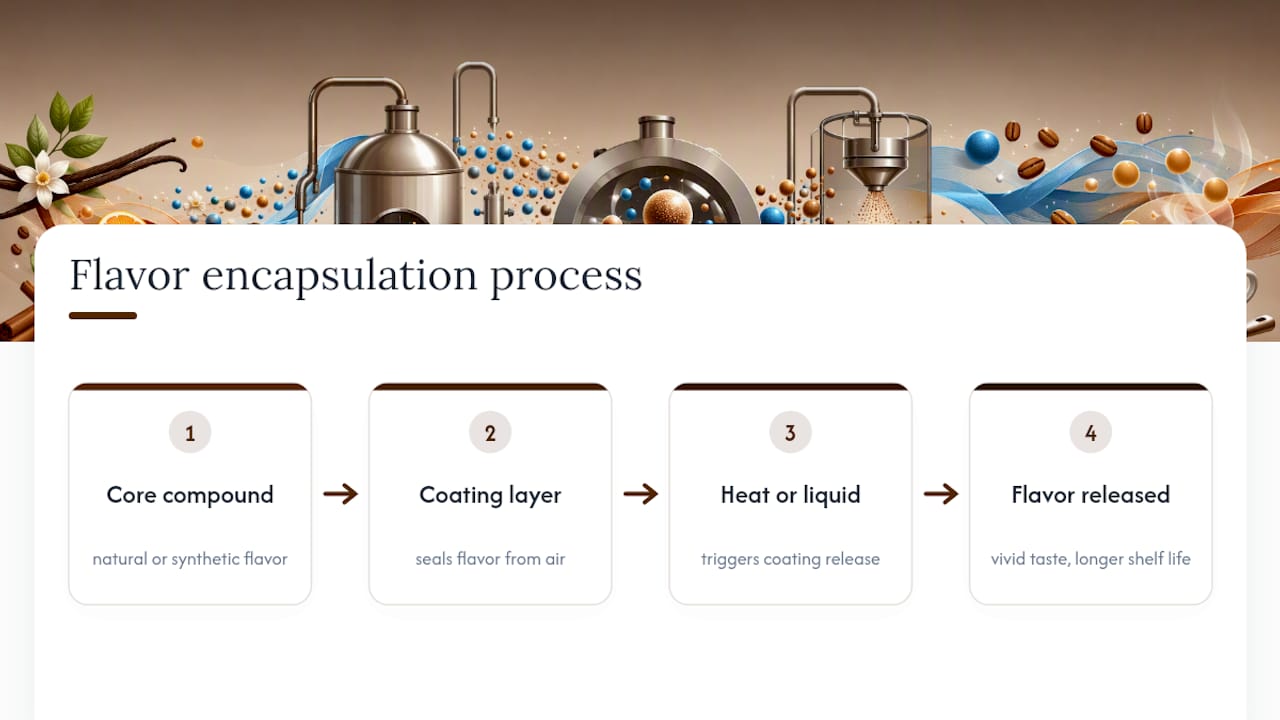
Flavor encapsulation, a process where flavor compounds get sealed inside a coating that releases upon contact with heat or liquid, is showing up more in shelf-stable seasonal products. It lets a syrup or flavored bean hold its flavor profile longer without oxidizing or fading, which is part of why some 2026 seasonal releases taste more vivid than older formulations did.
High-frequency testing programs like Flavor52 are also functioning as a technology of their own, in a sense. Testing dozens of flavor combinations across weekly releases and using consumer voting to identify winners is a data-driven approach to flavor development that used to take years of slow menu testing. It compresses that timeline into a single season, which is part of why 2026’s flavor lineup feels more experimental than in past years.
The Editorial Take: What Actually Matters in 2026’s Flavor Race
Most seasonal flavor coverage treats every new launch as equally significant, and that’s the wrong frame. The Reese’s collaboration and the Flavor52 program matter not because the flavors themselves are groundbreaking, but because they reveal how fast brands can now test and discard ideas. That speed benefits adventurous drinkers and overwhelms everyone else.
My honest read: skip chasing every limited drop and focus on the two or three flavor families that actually fit your palate; caramel-apple, hojicha, or a well-made gingerbread syrup will outlast most novelty collaborations. Conventional coverage oversells hype and undersells technique. A mediocre syrup ratio ruins a great flavor concept faster than any missed limited release does.
Prioritize learning proportions before you chase trends. A pumpkin spice syrup made with real pumpkin and balanced spice will beat a rushed seasonal special nine times out of ten, and it works all season long instead of for two weeks.
— Kristopher
Try 2026’s Seasonal Flavors Without Committing to a Full Bag
You don’t have to guess which of this year’s flavors will actually suit your taste. D&K Bean and Leaf’s Sample Pack lets you try several seasonal roasts and flavored options before you commit to a full bag, which beats gambling on one large purchase during a trend cycle that might not last past the season.
If mornings are rushed, the single-serve coffee capsules fit right into that routine without sacrificing flavor variety. Pair either one with a seasonal mug if you’re shopping for a coffee-loving friend or family member this year. Start with the sample pack, figure out which flavors earn a permanent spot in your rotation, then order the full bag once you know it’s worth the shelf space.
Sources
- National Coffee Association (NCA) — Market Research
- Reese’s flips the script on fall coffee
- Christmas coffee (gingerbread-style) — A Couple Cooks
FAQ
What are the coffee flavor trends for 2026?
Pumpkin variants, caramel-apple, and candy-brand collaborations like the Reese’s Pumpkins PB Whip Latte dominate fall, while hojicha, ube, and black sesame lead summer menus. High-frequency flavor testing programs are also pushing more experimental, short-run flavors into stores throughout the year.
What seasonal drinks should I expect from major coffee chains in 2026?
Expect pumpkin spice variations, caramel-apple blends, and brown-butter or maple options through fall, based on rollout patterns from chains like 7-Eleven and McDonald’s. Winter typically brings gingerbread, peppermint, and eggnog-style holiday spice drinks starting in November.
What are the biggest café trends for 2026?
Cold-coffee formats, dessert-inspired drinks, and licensed brand collaborations are reshaping café menus this year. Alternative milks are also expanding flavor possibilities, since ingredients like oat and coconut milk change how syrups and spice blends taste in shaken or iced drinks.
What’s driving the coffee market in 2026?
Consumption trends tracked by the National Coffee Association show seasonal buying patterns accelerating, partly due to high-frequency flavor testing programs like Flavor52 that introduce dozens of new options quickly. Branded collaborations are also pulling nontraditional coffee drinkers into the category.
Where can I try multiple seasonal coffee flavors without buying full bags?
D&K Bean and Leaf’s Sample Pack is designed for exactly this, letting you test several seasonal and flavored options before committing to a full-size bag. Current pricing is listed directly on the collection page.