

Single Origin Coffee Examples: A Connoisseur's Guide
Single origin coffee examples are everywhere right now, yet knowing which ones are genuinely worth your time and money takes more than browsing a roaster’s website. Single origin SKUs are growing at 5 to 8 percent annually versus 2 to 3 percent for the broader ground coffee category. The shelf is getting crowded fast. This guide cuts through the noise with a region-by-region breakdown of the most distinctive single origin coffees available, paired with real flavor notes, processing details, and honest guidance on how to choose single origin coffee that actually matches what you love in a cup.
Table of Contents
- Key takeaways
- 1. How to evaluate single origin coffee examples
- 2. Top single origin coffee examples from Latin America
- 3. Noteworthy single origin coffee examples from Africa
- 4. Unique single origin coffee examples from Asia-Pacific
- 5. Side-by-side comparison of featured single origin coffees
- My honest take on exploring single origin coffee
- Pair your single origin coffee with the right mug
- FAQ
Key takeaways
| Point | Details |
|---|---|
| Origin shapes flavor | Terroir, altitude, and processing method define every cup more than roast level alone. |
| Africa leads on flavor intensity | African coffees command a 20 to 40% price premium for their floral and fruity profiles. |
| Cupping scores matter | Beans scoring 84 and above carry a significant price premium and signal traceable, high-quality sourcing. |
| Temperature reveals complexity | Letting your cup cool unlocks fruit, floral, and spice notes that hot coffee masks. |
| Latin America dominates volume | Latin American origins account for 50 to 60 percent of US single origin consumption. |
1. How to evaluate single origin coffee examples
Not every bag labeled “single origin” deserves the same attention. Understanding what separates a truly remarkable coffee from a marketing gimmick starts with a few core criteria.
Geographic origin and terroir are the foundation. The altitude, soil composition, rainfall patterns, and local microclimates of a growing region create a flavor fingerprint you cannot replicate elsewhere. A coffee grown at 1,800 meters in the Ethiopian highlands tastes fundamentally different from one grown at 900 meters in Brazil, even if both carry the same variety label.
Processing method is the second major variable. Washed coffees tend to produce clean, bright, and transparent flavors that put origin character front and center. Natural process coffees introduce fermentation-driven fruit notes that can range from blueberry jam to tropical wine. Honey process coffees sit between those two poles, producing sweetness and body with some of the fruit complexity of naturals.
Quality indicators you should actually trust include SCA cupping scores and direct trade certifications. Specialty-grade Arabica accounts for 55 to 65 percent of US retail value in the single origin segment. Beans scoring 84 points or above command a 20 to 80 percent premium over commodity prices. That premium reflects real traceability, not just branding.
Pro Tip: Before buying, check whether the roaster lists the farm name, harvest date, and processing method. If those details are missing, the sourcing story is probably thin.
Learning to read cupping score details before you buy will save you from mediocre bags dressed up in beautiful packaging.
- Look for SCA scores of 84 or above on any premium single origin
- Confirm the processing method matches the flavor profile you want
- Check harvest year and roast date for freshness
- Prioritize roasters with direct trade or named-farm sourcing
2. Top single origin coffee examples from Latin America
Latin American origins drive 50 to 60 percent of US single origin consumption, and the reasons are not hard to understand. These coffees tend to be approachable, consistent, and beautifully balanced. They are the coffees that turned millions of casual drinkers into enthusiasts.
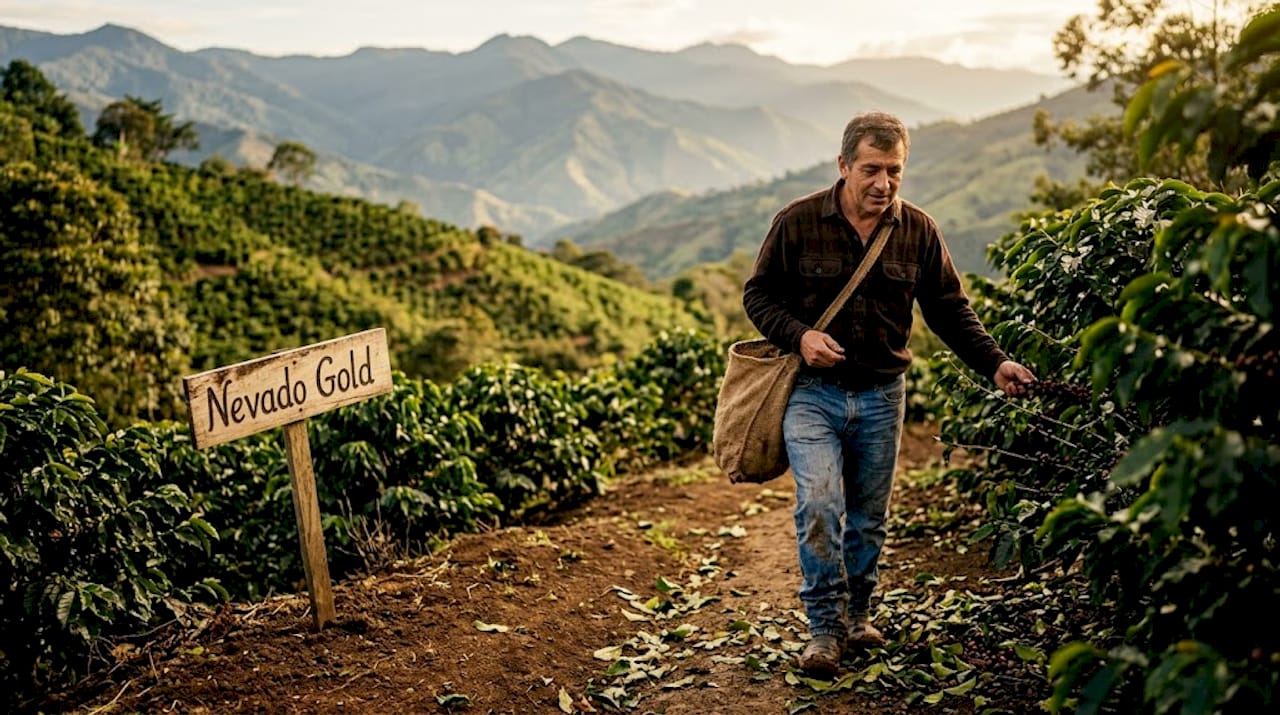
Colombia Nevado Gold is one of the best single origin coffees in this category. Grown at high altitude in the Andes, it produces a cup with milk chocolate, caramel, and a clean red apple brightness on the finish. The washed process keeps the flavor transparent and precise. It is a crowd-pleaser that does not sacrifice complexity.
Costa Rica Tarrazu deserves its legendary reputation. The Tarrazu valley produces coffees with a citrus-forward brightness, light honey sweetness, and a silky body. Honey process versions from this region add a stone fruit layer that makes the coffee genuinely difficult to put down. This is a top pick for anyone exploring single origin coffee types for the first time.
Guatemala Antigua brings a different energy. Volcanic soil and cooler growing temperatures create a cup with dark chocolate depth, brown sugar sweetness, and a subtle smokiness. It rewards a medium to medium-dark roast without losing its origin character, which is rare among Central American origins.
- Colombia Nevado Gold: milk chocolate, caramel, red apple acidity; washed process
- Costa Rica Tarrazu: citrus brightness, honey, stone fruit; honey or washed process
- Guatemala Antigua: dark chocolate, brown sugar, volcanic smoke; medium roast friendly
Understanding how to identify origins by flavor will make these tasting notes click immediately rather than feeling like marketing copy.
3. Noteworthy single origin coffee examples from Africa
African single origin coffees are the fastest-growing and most talked about segment in specialty coffee right now. The flavor profiles are unlike anything else in the world, and the prices reflect that.
Ethiopia Yirgacheffe G1 Washed is the benchmark. Ethiopian Yirgacheffe delivers signature notes of lemon candy, honey, and jasmine at a quality level that has set the standard for light roast specialty coffee globally. The washed process keeps every floral note razor sharp. Natural process Yirgacheffe versions shift toward peach, blueberry, and dark berry territory. Both are exceptional, but they taste like completely different coffees.
Kenya AA is the coffee that makes people rethink what acidity means. The SL-28 and SL-34 varieties grown in Kenya’s Central Province produce a tomato-like brightness that transitions into blackcurrant, dark plum, and grapefruit as the cup cools. It is polarizing in the best possible way. Drink it slow, and you will be rewarded.
Rwanda and Burundi are worth serious attention for anyone exploring unique coffee origins. Both countries are producing coffees with stone fruit, bergamot, and dark chocolate notes at prices still lower than comparable Ethiopian lots. That gap is closing fast as demand increases.
Pro Tip: African coffees reveal deeper complexity as they cool in the cup. Pour your Ethiopia or Kenya at full temperature, taste it, then wait five minutes and taste again. The difference is remarkable.
- Ethiopia Yirgacheffe Washed: lemon candy, jasmine, honey; clean and floral
- Ethiopia Yirgacheffe Natural: blueberry, peach, dark berry; fermented and rich
- Kenya AA: blackcurrant, grapefruit, dark plum; bold acidity
- Rwanda: stone fruit, bergamot, dark chocolate; emerging premium tier
4. Unique single origin coffee examples from Asia-Pacific
The Asia-Pacific region does not get the press that Africa and Latin America receive, but it produces some of the most distinctive and memorable single origin coffees available anywhere.
Sumatra Gajah Estate G1 is the poster child for this category. The natural process delivers strawberry, cherry, hibiscus, and honey in a heavy-bodied, lush cup that feels unlike anything from other regions. The wet-hulled processing method used in many Sumatran coffees creates that characteristic earthy depth that you either love immediately or learn to love over time.
Papua New Guinea Simbai Balus Kopi represents a genuinely unique corner of the coffee world. Grown by small-holder farmers in remote highlands, it delivers tropical fruit, brown spice, and a lingering sweetness with an unconventional rustic quality. Microlot production here involves hand sorting, density flotation, and raised bed drying, making each bag a labor-intensive achievement.
Yemen Mocha is as rare and sought after as single origin coffee gets. The ancient terraced farms of Yemen produce a coffee with a wild, complex, wine-like profile including dried fruit, dark spice, and a hint of woodsmoke. Supply is extremely limited and prices are high, but it is a legitimate piece of coffee history in every cup.
Myanmar is also producing intriguing experimental lots from Shan State that blend earthy and fruity characteristics in ways that challenge easy categorization. Watch this origin closely.
- Sumatra Gajah Estate: strawberry, hibiscus, heavy body; wet-hulled or natural
- Papua New Guinea Simbai: tropical fruit, brown spice, rustic sweetness; microlot
- Yemen Mocha: dried fruit, dark spice, wine-like complexity; extreme rarity
5. Side-by-side comparison of featured single origin coffees
Choosing between these coffees is easier when you can see the key differences in one place.
| Origin | Flavor Notes | Process | Price Range | Best For |
|---|---|---|---|---|
| Colombia Nevado Gold | Chocolate, caramel, red apple | Washed | $$ | Newcomers and daily drinkers |
| Costa Rica Tarrazu | Citrus, honey, stone fruit | Honey / Washed | $$ | Balanced acidity lovers |
| Guatemala Antigua | Dark chocolate, brown sugar, smoke | Washed | $$ | Medium roast fans |
| Ethiopia Yirgacheffe G1 | Jasmine, lemon candy, honey | Washed | $$$ | Floral and bright drinkers |
| Kenya AA | Blackcurrant, grapefruit, dark plum | Washed | $$$ | Bold acidity seekers |
| Rwanda | Stone fruit, bergamot, chocolate | Washed | $$-$$$ | Explorers on a budget |
| Sumatra Gajah Estate | Strawberry, hibiscus, heavy body | Natural | $$$ | Full-body earthiness fans |
| Yemen Mocha | Dried fruit, dark spice, wine | Natural | $$$$ | Collectors and enthusiasts |
If you want the widest possible flavor contrast in a first exploration, buy a Colombia, an Ethiopia Yirgacheffe, and a Sumatra. Three bags, three completely different experiences, and a clear sense of what draws you deeper.
For a deeper dive into how roast level transforms any of these origins, the guide to coffee roast levels at Dkbeanleaf is one of the clearest breakdowns available.
My honest take on exploring single origin coffee
I have spent more time than I want to admit chasing the “next great origin” and buying bags based on description alone. Here is what that experience actually taught me.
The coffees that surprised me most were never the ones with the most dramatic flavor notes on the label. Rwanda and Burundi taught me more about clean fruit in coffee than any Ethiopian lot I had before them. The first time I tasted a Kenyan AA that had cooled for ten minutes, I genuinely thought the cup had been switched out. The blackcurrant notes were so vivid and unexpected that I had to reconsider everything I thought I knew about brightness in coffee.
My honest opinion on how to choose single origin coffee: start with process, not origin. If you know you love fruit-forward complexity, go natural process first regardless of region. If you want clarity and terroir transparency, washed coffees will reward you every time.
The other thing most people skip is provenance beyond taste. Knowing that a microlot came from a specific cooperative in a specific village, harvested by farmers who received fair pricing because of direct trade relationships, genuinely changes how the cup tastes. That is not romantic nonsense. It is the difference between drinking a product and appreciating a place.
Do not overlook the types of coffee beans within a single origin. Variety matters as much as country. A Gesha from Colombia drinks nothing like an Castillo from the same farm.
— Kristopher
Pair your single origin coffee with the right mug
The flavor work you put into choosing a great single origin coffee deserves an equally intentional vessel. At Dkbeanleaf, the coffee mug collection is designed for people who take their cup seriously. Thick-walled mugs retain heat without scorching delicate floral notes. The white glossy mug in particular lets you actually see the color of your brew, which matters when you are comparing a washed Ethiopian to a Sumatran natural side by side. Specialty coffee drinkers are investing in quality drinkware because the right mug is part of the tasting experience, not just a container. Explore the full collection and find the one that fits how you actually drink.
FAQ
What are the best single origin coffees for beginners?
Colombia Nevado Gold and Costa Rica Tarrazu are ideal starting points. They deliver clear, balanced flavor profiles with chocolate and citrus notes that are approachable without being boring.
How do single origin coffee types differ by region?
Latin American origins tend toward chocolate and nutty profiles, African origins lean floral and fruity, and Asia-Pacific coffees are known for earthy, spiced, and full-bodied complexity.
Why do African single origin coffees cost more?
African coffees carry a 20 to 40 percent price premium due to their distinctive flavor profiles, high demand, and the labor-intensive processing required for top-tier lots.
What does “single origin” actually mean?
Single origin coffee comes from one specific geographic location, whether a country, region, or single farm. This traceability allows roasters and consumers to connect flavor directly to place.
How do I get more flavor from a single origin coffee?
Let your cup cool before your second sip. As temperature drops, fruit, floral, and spice notes become much more pronounced, which is why serious tasters always cup across a range of temperatures.