

What Is French Press Coffee? A Beginner's Brewing Guide
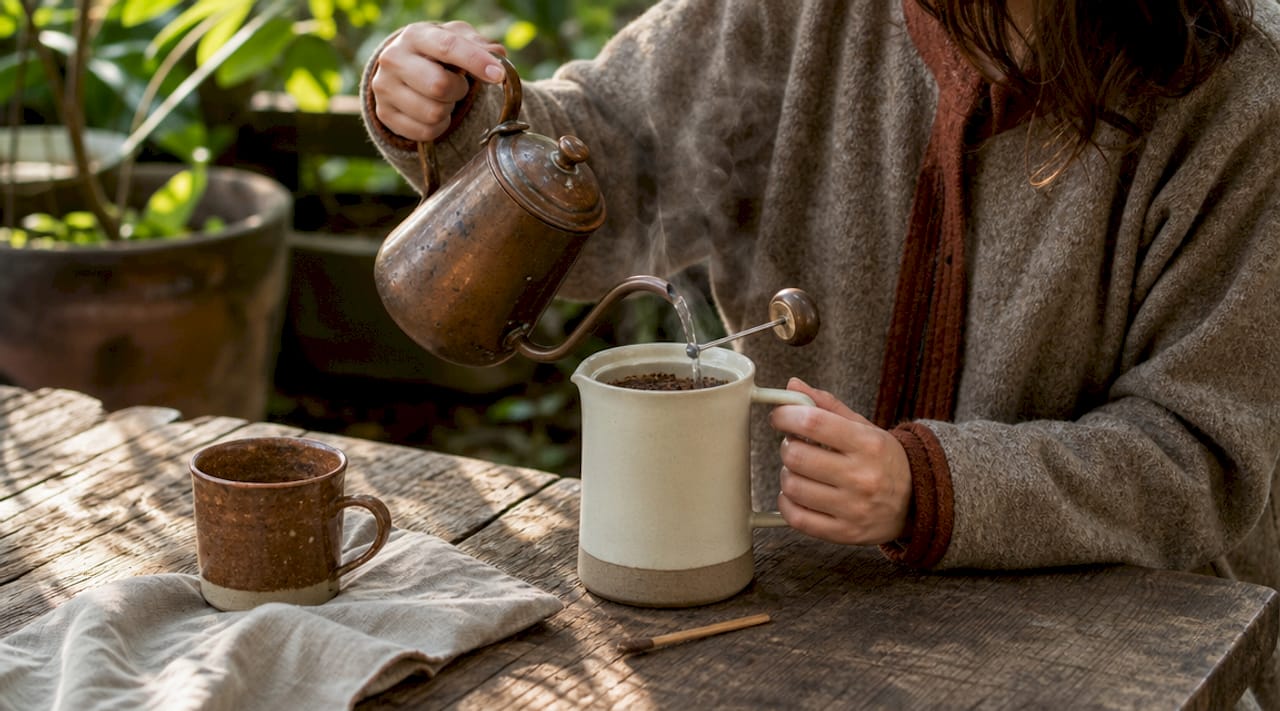
French press coffee is a manual immersion brewing method that steeps coarse grounds directly in hot water and separates them with a plunger-mounted metal mesh filter, producing a rich, full-bodied cup unlike anything a drip machine delivers. Also called a cafetière, press pot, or coffee press, this method has been a staple of serious home brewers for decades. The metal filter is what makes it distinct. It lets coffee oils pass into your cup instead of trapping them in paper, which is exactly why the flavor hits differently. If you want to understand what makes this method worth learning, the mechanics tell the whole story.
What is French press coffee and how does it work?
French press brewing is defined by full immersion. The grounds sit submerged in hot water for the entire steep, which means every particle contributes to extraction from start to finish. This is fundamentally different from pour-over or drip methods, where water passes through grounds quickly and a paper filter catches most of the oils.
The metal mesh filter allows coffee oils like cafestol and kahweol to pass directly into your cup. These oils are responsible for the heavier body and richer mouthfeel that French press drinkers recognize immediately. Paper filter methods strip those oils out, which produces a cleaner but noticeably lighter cup.
Here is what that means for your sensory experience:
- Body: Noticeably heavier and thicker than drip coffee
- Flavor intensity: Deeper, more pronounced, especially with medium to dark roasts
- Mouthfeel: Slightly velvety, sometimes with fine sediment at the bottom
- Aroma: More complex because volatile aromatic compounds stay in the cup
- Clarity: Less visually clear than pour-over, which some drinkers prefer and others do not
The sediment at the bottom of a French press cup is not a flaw. It is a byproduct of the metal filter and a sign that the oils and fine particles made it through. If sediment bothers you, a paper filter adapter placed beneath the mesh plunger reduces it significantly while still preserving more body than a standard drip brew.
What are the ideal brewing parameters for French press?
Getting the parameters right is the difference between a cup you want to repeat and one you forget. The standard ratio is 1:15 by weight, which translates to 30 grams of coarse ground coffee to 450 grams of water. That ratio gives you a balanced, full-flavored cup without tipping into bitterness or weakness.
Follow these steps to nail the parameters every time:
- Grind coarse. Your grounds should resemble coarse sea salt. A consistent burr grinder is the only reliable way to achieve this. Blade grinders produce uneven particle sizes that cause over-extraction in fine pieces and under-extraction in coarse ones.
- Heat water to 195°F to 205°F. Water that is too cool under-extracts and tastes flat. Boiling water at 212°F can scorch the grounds. Let your kettle rest for 30 seconds after boiling if you do not have a temperature-controlled model.
- Steep for 4 minutes. This is the sweet spot for full extraction without bitterness. Shorter steeps produce weak, underdeveloped flavor. Longer steeps push into over-extraction territory.
- Decant immediately after plunging. Coffee left in contact with grounds for more than 5 to 10 minutes develops bitter, harsh notes. Pour every drop into a separate carafe or your mug right away.
- Use a digital scale. Eyeballing scoops introduces inconsistency. Baristas rely on precise measurement and repeatability to get the same result cup after cup.
Pro Tip: Remove the carafe from your digital scale before pressing the plunger down. Pressing while the press sits on the scale can damage it.
One more thing worth knowing: if the plunger meets serious resistance on the way down, your grind is too fine. Excessive resistance risks damaging the plunger and forces over-extracted, bitter water through the filter. Pull the plunger back slightly and press again slowly. If it keeps sticking, go coarser next time.
What types of French press coffee makers are there?
The material and design of your press affect heat retention, durability, and even the clarity of your cup. Choosing the right one depends on how and where you brew.
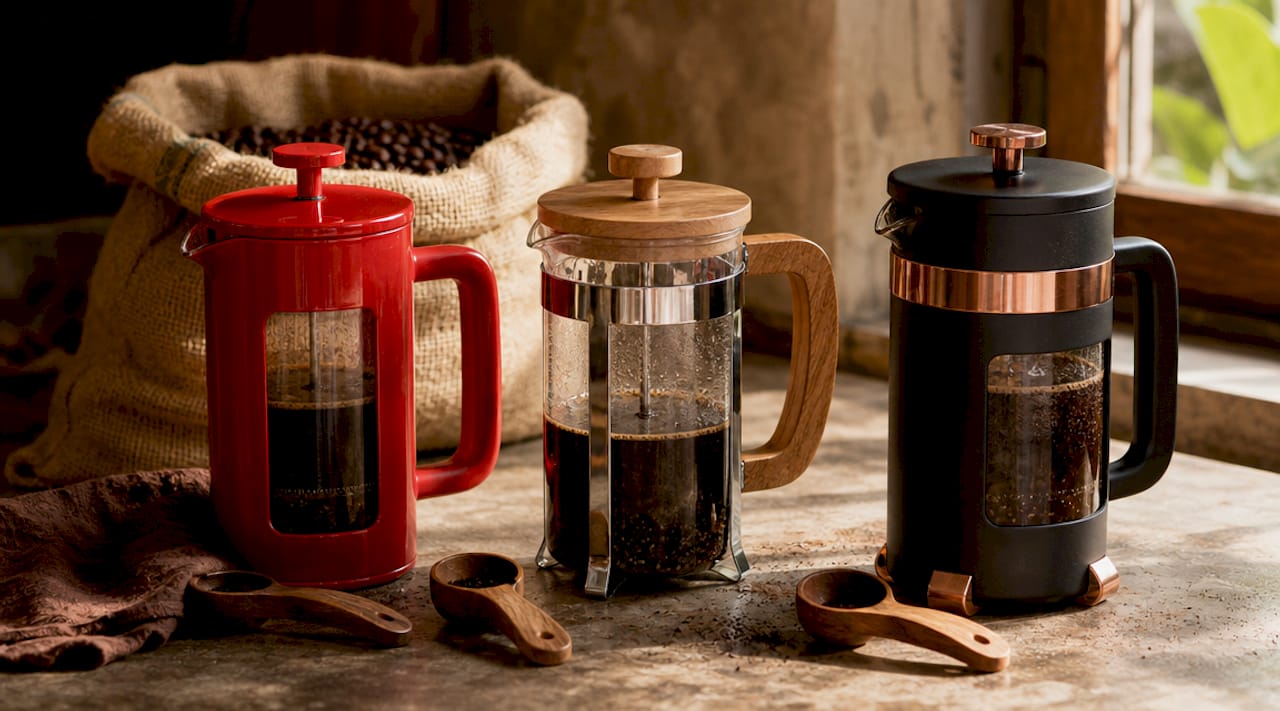
| Material | Heat retention | Durability | Best for |
|---|---|---|---|
| Glass | Low | Fragile | Home use, visual appeal |
| Stainless steel (double-walled) | High (4 to 5x longer than glass) | Excellent | Travel, extended brewing sessions |
| Ceramic | Medium | Moderate | Home use, aesthetic preference |
Double-walled stainless steel models retain heat up to four to five times longer than glass. That matters if you brew a full pot and pour cups over 20 to 30 minutes. Glass presses look beautiful and let you watch the brew, but they lose heat fast and break if dropped.
Filter design also varies more than most buyers realize:
- Single mesh plunger: Standard on most entry-level presses. Functional but allows more sediment.
- Multi-layer mesh: Tighter seal, less sediment, preferred by professionals who want cup clarity without sacrificing body.
- Paper filter adapter: Fits beneath the mesh plunger. Produces the cleanest cup a French press can make while still retaining more oils than a standard drip machine.
Size matters too. Using a press that is too large for the amount you are brewing causes heat loss and weak extraction. Match your press capacity to your actual daily volume. Standard sizes run from 350ml (one to two cups) up to 1.5 liters (six to eight cups). If you brew solo every morning, a 350ml or 500ml press is the right call. Check out this guide on finding your mug size to match your press volume to your cup.
How to use a French press step-by-step
The French press brewing guide below works for any press, any material, and any roast level. Follow it consistently and you will get a repeatable, excellent cup every time.
- Warm the carafe. Pour hot water into the empty press and let it sit for 30 seconds, then discard. This prevents the cold glass or steel from dropping your brew temperature during extraction.
- Measure and grind fresh. Weigh out 30 grams of coffee and grind coarse. Grinding fresh, right before brewing, preserves volatile aromatics that go stale within minutes of grinding.
- Add grounds and bloom. Pour just enough water (about twice the weight of your coffee) to saturate the grounds fully. Let it sit for 30 to 45 seconds. This is the coffee bloom, where CO2 escapes and allows water to extract evenly.
- Pour remaining water and stir gently. Fill to your target weight (450 grams total). A gentle stir makes sure all grounds are in contact with water.
- Place the lid on with the plunger raised. This traps heat and keeps the steep consistent. Do not press yet.
- Steep for 4 minutes. Set a timer. Guessing steep time is one of the most common reasons French press coffee tastes inconsistent.
- Press slowly and steadily. Apply even, gentle pressure. The plunger should descend smoothly in about 20 to 30 seconds. If it resists, stop and check your grind size.
- Pour immediately. Do not leave brewed coffee sitting in the press. Decant everything right away to stop extraction.
Pro Tip: Skim the foam layer off the top before pouring. It contains bitter compounds and removing it noticeably smooths out the final cup.
For cleaning, rinse the press immediately after use. Coffee oils go rancid quickly and leave a stale taste in your next brew. Disassemble the plunger filter once a week and wash each component separately with warm soapy water.
Key takeaways
French press coffee produces its signature rich body because the metal mesh filter retains coffee oils that paper filters remove, and precise parameters like a 1:15 ratio, coarse grind, and 4-minute steep are what separate a great cup from a bitter one.
| Point | Details |
|---|---|
| Immersion brewing retains oils | Metal mesh lets cafestol and kahweol into the cup, creating heavier body and richer flavor. |
| Ratio and grind are non-negotiable | Use 30g coffee to 450g water at 195°F to 205°F with a coarse, sea-salt grind. |
| Decant immediately after plunging | Coffee left on grounds past 5 to 10 minutes over-extracts and turns bitter. |
| Match press size to brew volume | A press too large for your amount causes heat loss and weak, underdeveloped coffee. |
| Material affects heat retention | Double-walled stainless steel holds heat 4 to 5 times longer than glass models. |
Why the French press taught me more about coffee than any other method
I have used a lot of brewing equipment over the years, and the French press is the one I keep coming back to when I want to actually taste what a coffee is doing. Pour-over is precise and clean, but it filters out so much that you can miss the full character of a bean. The French press puts everything in the cup.
The biggest lesson I learned the hard way: grind consistency matters more than almost any other variable. I spent months blaming my coffee for tasting muddy before I realized my blade grinder was producing dust alongside coarse chunks. Switching to a burr grinder fixed it immediately. The investment is worth it.
I also think most people steep too long and then wonder why their cup is bitter. Four minutes is not a suggestion. It is the number. If you want to experiment, go to 3:45 or 4:15, but do not drift to six minutes and expect a good result. When bitterness shows up, the causes of bitter coffee almost always trace back to over-extraction or too-fine a grind.
My favorite roast for a French press is a medium to dark roast with chocolate or nutty notes. The oils that come through the metal filter amplify those flavors in a way that lighter roasts do not always support. Dkbeanleaf’s French Roast is one I reach for regularly when I want that deep, full-bodied result. The ritual of the French press, the bloom, the four-minute wait, the slow press, is part of what makes the cup taste better. Slowing down is not inefficiency. It is the method.
— Kristopher
Upgrade your French press ritual with Dkbeanleaf
A great French press cup deserves a great mug to pour it into. At Dkbeanleaf, we carry everything that makes the coffee ritual worth repeating, from quality roasts that shine in immersion brewing to mugs built for the kind of coffee that actually has body and weight to it.

The white glossy mug is a clean, satisfying vessel for your morning French press. If you take your coffee on the go, the travel mug with a handle keeps your brew hot long after you leave the kitchen. And if you want to mix up your morning ritual, explore our tea collection for something different on the days you want a lighter cup. Everything at Dkbeanleaf is chosen for people who actually care about what is in their cup.
FAQ
What is a French press coffee maker?
A French press is a manual brewing device that steeps coarse coffee grounds in hot water and uses a plunger-mounted metal mesh filter to separate the grounds from the liquid. It is also called a cafetière, press pot, or coffee press.
How is French press different from drip coffee?
French press uses full immersion brewing with a metal filter that retains coffee oils, producing a heavier, richer cup. Drip coffee passes water through grounds quickly and uses a paper filter that removes those oils, resulting in a lighter, cleaner taste.
What grind size should I use for a French press?
Use a coarse grind that resembles coarse sea salt. Fine grinds cause sediment, bitterness, and filter clogging, and a burr grinder is the only reliable tool for achieving consistent coarse particles.
How long should I steep French press coffee?
Steep for exactly 4 minutes at a water temperature between 195°F and 205°F. Steeping longer than 5 to 10 minutes causes over-extraction and bitter flavor, so decant immediately after pressing.
Can I use any coffee roast in a French press?
Any roast works, but medium to dark roasts with chocolate, nutty, or caramel notes perform best because the metal filter amplifies those oil-carried flavors. Lighter roasts can taste thin or acidic when brewed with full immersion.